kHeavyHash is a proof-of-work mining algorithm designed to support high-throughput block generation and fast confirmation times, most notably used by the Kaspa (KAS) network. Unlike traditional linear blockchains, networks using kHeavyHash often rely on advanced structures such as blockDAGs, which fundamentally change how mining rewards consistency and sustained hash delivery.
From an operational standpoint, kHeavyHash favors miners that can provide stable, continuous hashrate output rather than short bursts of peak performance. This makes the algorithm particularly sensitive to power stability, thermal control, and long-duration efficiency. Hardware that fluctuates under load or throttles due to heat tends to underperform in real-world kHeavyHash mining environments.
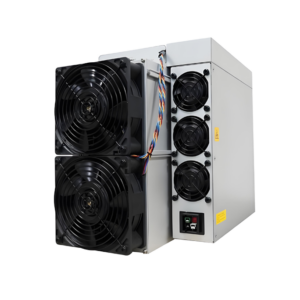
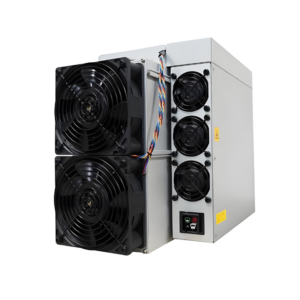
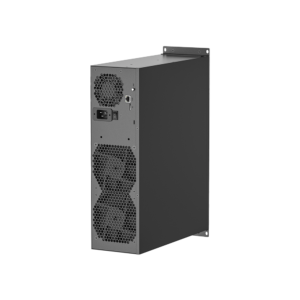
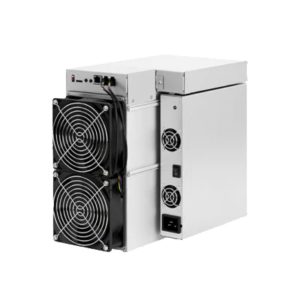
As the ecosystem has matured, dedicated ASIC miners optimized for kHeavyHash have become the dominant hardware choice. These miners are engineered to handle the algorithm’s workload characteristics, balancing computational intensity with predictable power draw and manageable heat density. In practice, kHeavyHash ASIC selection is often driven by how well a device performs over extended runtimes rather than headline efficiency figures alone.
This page is intended to help miners understand how kHeavyHash behavior translates into deployment decisions. Factors such as sustained power consumption, cooling efficiency, and unit density play a larger role than raw hashrate comparisons. Miners operating kHeavyHash hardware frequently plan around steady-state conditions, designing setups that prioritize consistency and uptime.
Rather than positioning kHeavyHash as a purely experimental or speculative algorithm, this overview highlights its role in performance-consistent mining strategies. Some miners use kHeavyHash to diversify away from traditional PoW algorithms, while others specialize in it due to its predictable workload and growing ASIC ecosystem.
The BT-MINERS team maintains this kHeavyHash overview to support informed algorithm selection and hardware planning. The focus is on helping miners understand when kHeavyHash mining makes sense, what operational characteristics it requires, and how it fits into sustainable, long-term mining strategies.